
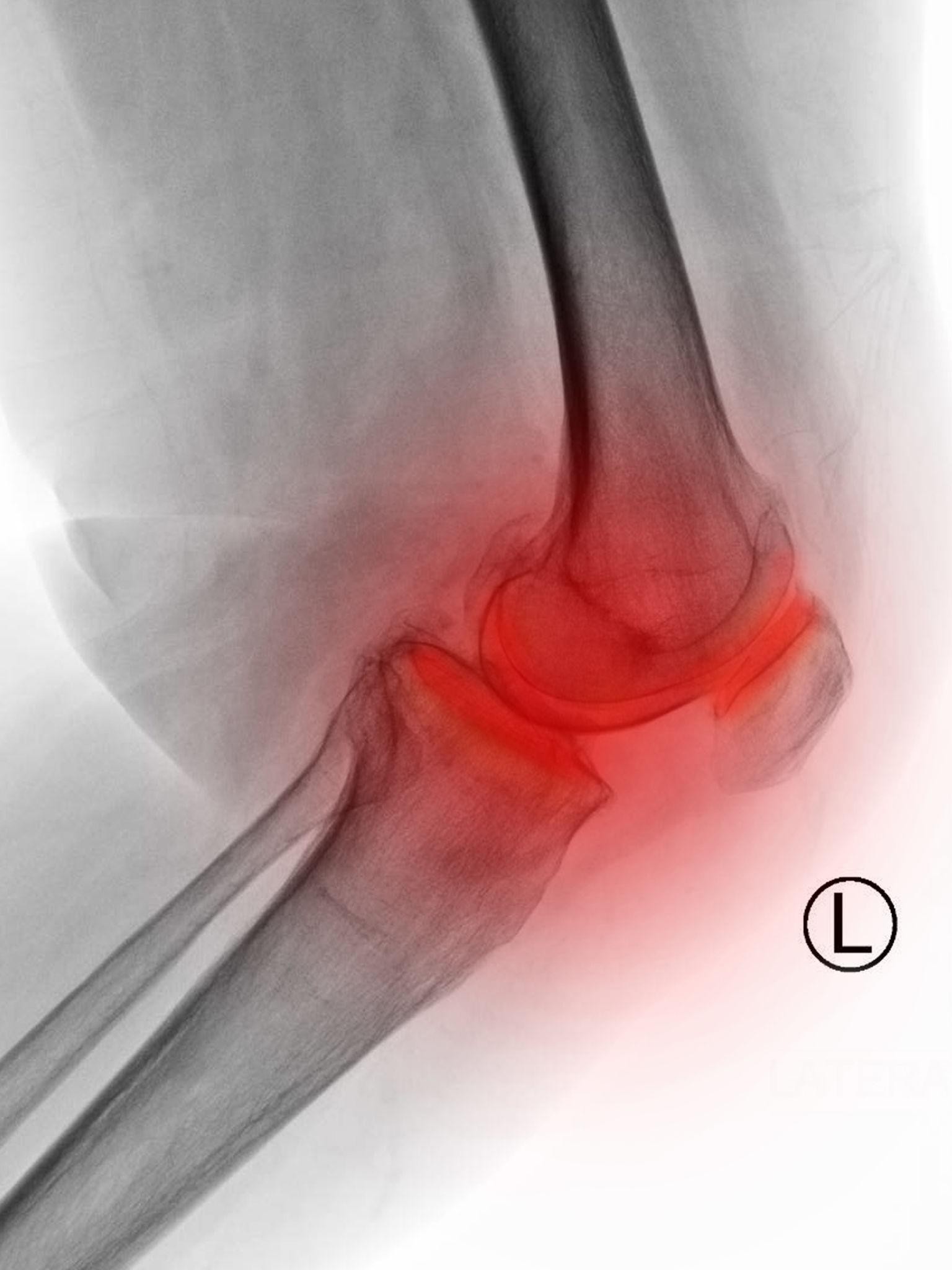
Degenerative Joint Disease Treatment with Dr. Sujayendra
Helping patients across Jayanagar, Banashankari, Basavanagudi, JP Nagar & HSR Layout move comfortably again Most people don’t notice degenerative joint disease in the beginning. It usually starts quietly. A little stiffness in the morning. Mild knee pain while climbing stairs. Difficulty sitting cross-legged. A dull ache after walking for long distances.
Many people live with persistent joint pain, assuming it is simply a part of getting older.
Patients often tell Dr. Sujayendra:
“It’s just age.”
But over time, the pain can begin affecting daily activities, mobility, and overall quality of life.
That’s when many patients from Jayanagar, Banashankari, Basavanagudi, JP Nagar, and HSR Layout come to consult Dr. Sujayendra with one common question:
“Can this joint pain actually be treated?”
And the answer is — absolutely yes. With accurate diagnosis and personalized treatment, many joint conditions can be effectively managed, helping patients return to a more active and comfortable life.
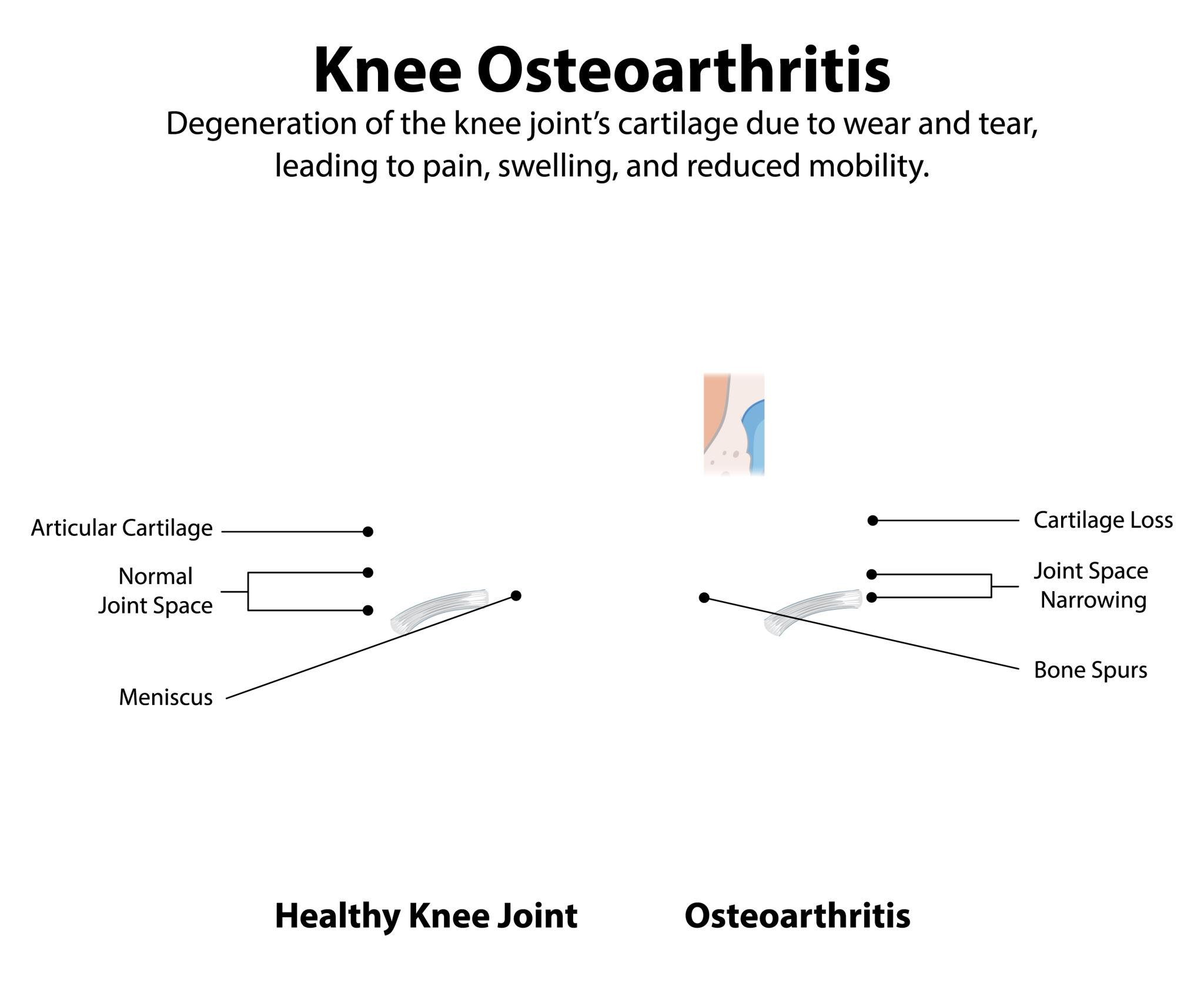
What is Degenerative Joint Disease?
In simple terms, degenerative joint disease refers to the gradual wear and tear of joints over time. It is commonly known as:
- Osteoarthritis
- Age-related joint degeneration
- Wear-and-tear arthritis
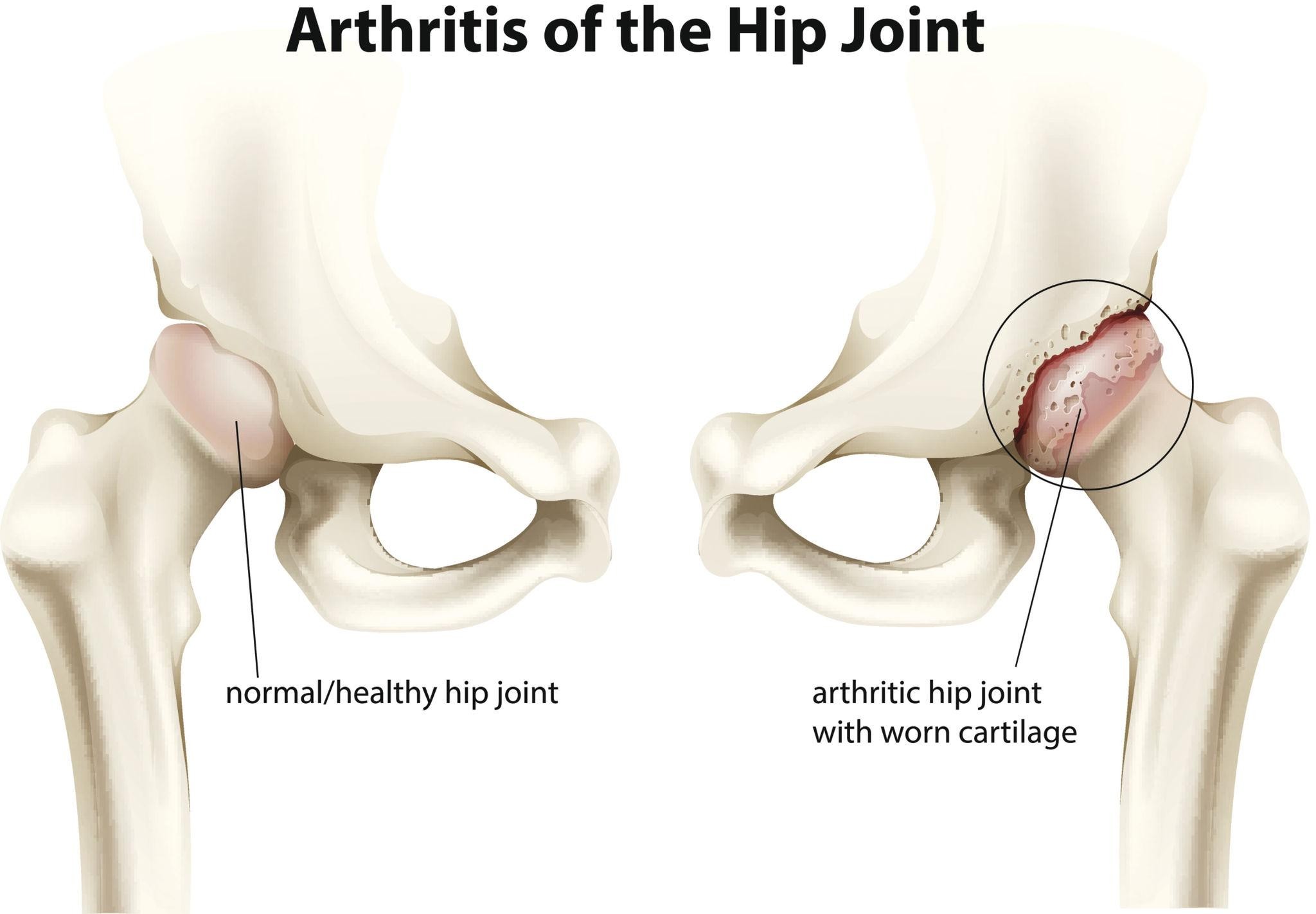
It most commonly affects:
- It most commonly affects:
- Hips
- Shoulders
- Spine
Common Symptoms of Degenerative Joint Disease
How Dr. Sujayendra Evaluates Joint Degeneration
The first step is not medication—it’s understanding the severity of the condition. Dr. Sujayendra carefully evaluates:
- Which joint is affected
- How much movement is reduced
- Whether the pain is inflammatory or mechanical
- How the condition affects daily life
This is especially important for patients searching:
- accurate arthritis diagnosis near Jayanagar
- best orthopedic doctor for joint stiffness in Bangalore
Treatment is Always Step-by-Step
One thing patients appreciate is that treatment is never rushed. Surgery is not the first option.
Non-Surgical Treatment for Degenerative Joint Disease
Many patients improve significantly without surgery. Treatment may include:
- Physiotherapy
- Weight management
- Muscle strengthening exercises
- Lifestyle modifications
- Medications for pain and inflammation
Patients searching for:
- non-surgical arthritis treatment in JP Nagar
- knee pain relief without surgery in Banashankari
Movement is Extremely Important
One of the biggest myths is: “If the joint hurts, stop moving.” Actually, the opposite is often true. Dr. Sujayendra helps patients understand:
- Walking becomes difficult
- Non-surgical treatment no longer helps
When is Joint Replacement Considered?
For some patients, degeneration becomes severe enough that daily life is significantly affected. Joint replacement may be recommended when:
- Walking becomes difficult
- Pain affects sleep
- Non-surgical treatment no longer helps
- Joint damage is advanced
Patients searching for:
- best knee replacement surgeon in Jayanagar
- hip replacement specialist near HSR Layout
Advanced Joint Replacement with High Success Rates
Dr. Sujayendra performs:
- Knee replacement surgery
- Hip replacement surgery
- Shoulder joint replacement procedures
The focus is always on:
- Pain relief
- Better movement
- Faster rehabilitation
- Long-term joint function
Recovery is About Function, Not Just Pain Relief
Treatment success is not measured only by X-rays. It’s measured by:
- Walking comfortably
- Climbing stairs confidently
- Sleeping without pain
- Returning to normal life
Frequently Asked Questions
1. What is the best treatment for degenerative joint disease in Bangalore?
Treatment depends on the severity of arthritis. Early stages are often treated with physiotherapy and lifestyle changes, while advanced cases may require joint replacement surgery.
2. Can degenerative joint disease be treated without surgery?
Yes, many patients improve with non-surgical treatment including exercises, weight management, and physiotherapy.
3. What are the symptoms of degenerative knee arthritis?
Common symptoms include: • Knee pain • Stiffness • Swelling • Difficulty walking or climbing stairs
4. When should I see a doctor for joint pain?
4. When should I see a doctor for joint pain?
5. Is walking good for arthritis?
Yes, controlled low-impact activity helps maintain joint mobility and muscle strength.
6. What is the best non-surgical arthritis treatment in Jayanagar or JP Nagar?
Treatment may include physiotherapy, exercises, medications, and lifestyle modifications depending on the condition.
7. When is knee replacement surgery necessary?
Knee replacement is considered when severe arthritis causes persistent pain and affects daily activities despite treatment.
8. Can hip arthritis cause back pain?
Yes, hip arthritis can sometimes cause pain that spreads to the lower back or thigh.
9. Who is the best orthopedic doctor for osteoarthritis near Banashankari or HSR Layout?
Consult an experienced orthopaedic surgeon who offers both non-surgical and advanced surgical arthritis treatment options.
10. How successful is joint replacement surgery?
Modern joint replacement surgeries have very high success rates when combined with proper rehabilitation.
Final Thought
Degenerative joint disease may develop gradually—but that doesn’t mean you have to gradually lose your mobility and independence. With the right treatment, the right guidance, and timely care: Pain can be controlled Movement can improve Life can become active again