
Fracture Fixation Surgeries with Dr. Sujayendra
Helping patients across Jayanagar, Banashankari, Basavanagudi, JP Nagar & HSR Layout recover safely after fractures and accidents
A fracture is painful, but for many patients, the biggest concern is what happens after the injury.
Patients often ask Dr. Sujayendra:
👉 “Will I be able to walk normally again?”
👉 “Will my hand regain full movement?”
👉 “Do I really need surgery?”
These are questions he hears almost every day from patients who have suffered injuries due to:
• Road accidents
• Sports injuries
• Falls at home
• Workplace trauma
The truth is — every fracture is different. While some fractures heal well with a cast or brace, others require surgical stabilization to ensure proper healing, alignment, and restoration of function.
That’s where fracture fixation surgery plays an important role, helping patients regain strength, mobility, and confidence in their recovery.
What is Fracture Fixation Surgery?
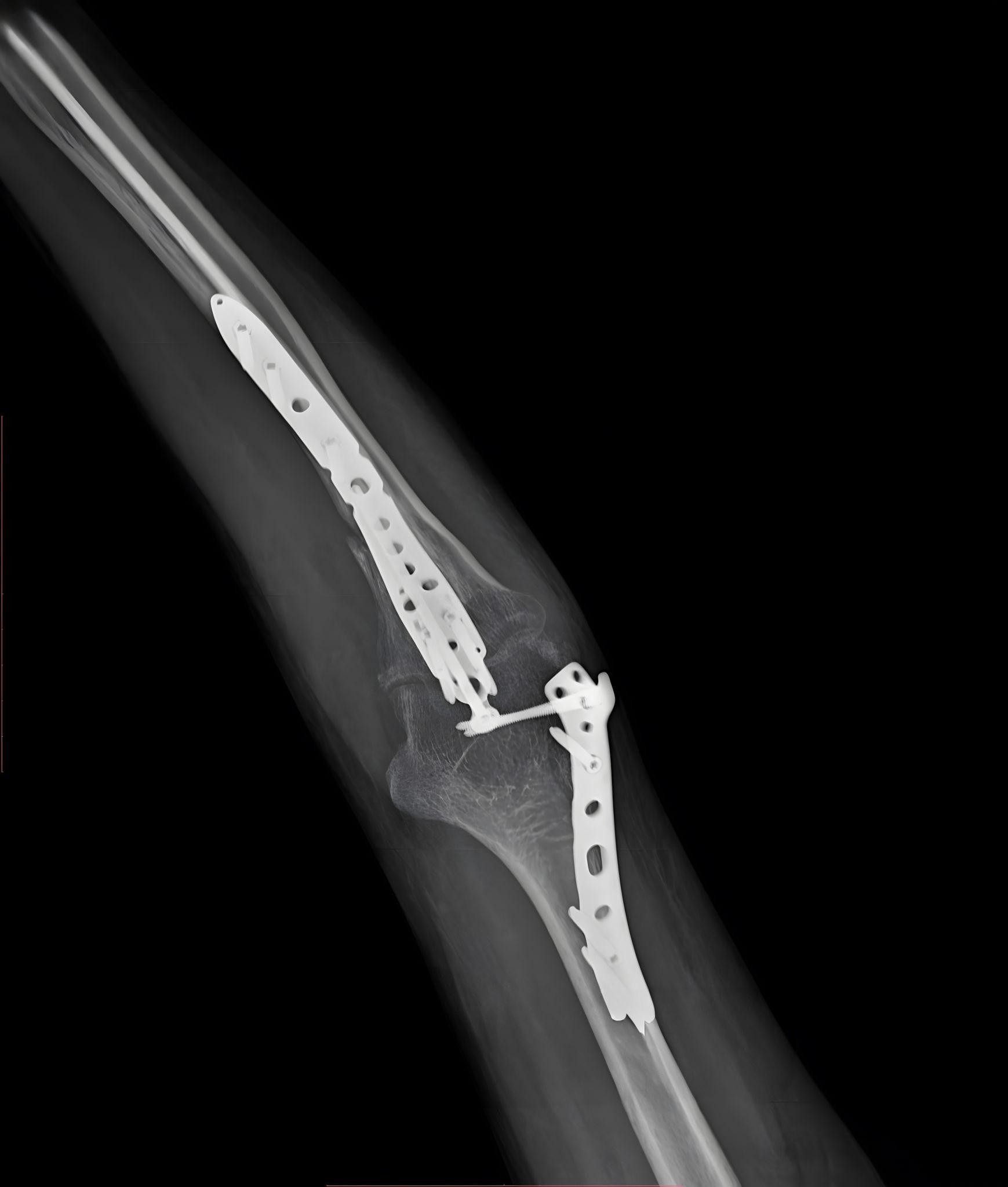
In simple terms, fracture fixation surgery is a procedure used to:
- Stabilize broken bones
- Restore alignment
- Help the bone heal correctly
- Reduce long-term joint stress
Help the bone heal correctly
- Plates and screws
- Rods (intramedullary nails)
- Wires or pins
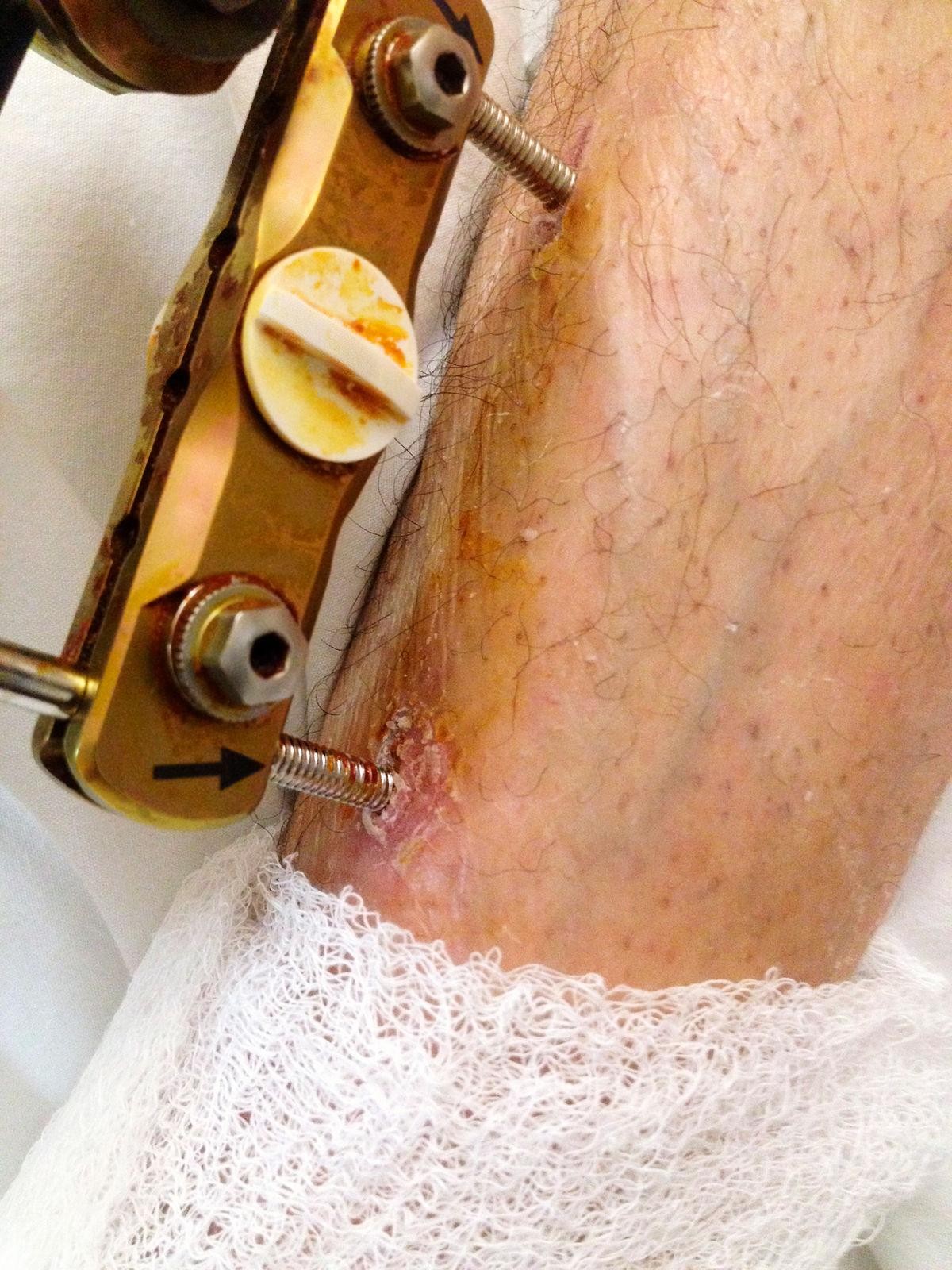
- External fixation systems
Common Conditions Treated
Common Fractures Treated Surgically
Post-Traumatic Deformities
Improperly healed fractures can sometimes lead to deformity and imbalance. Patients often search:
- correction surgery for malunited fractures in Bangalore
- deformity after fracture treatment near Banashankari
often require surgical repair if conservative treatment fails.
The Goal is Not Just Bone Healing
One of the most important things Dr. Sujayendra explains is this: 👉 “A fracture must heal correctly—not just heal somehow.” Improper alignment can lead to:
- Chronic pain
- Joint stiffness
- Reduced strength
- Difficulty walking or using the hand
- Increased joint wear and tear
That’s why precision matters in fracture fixation surgery.
Advanced Surgical Techniques for Better Recovery
Improperly healed fractures can sometimes lead to deformity and imbalance. Patients often search:
- Stable fixation
- Stable fixation
- Early rehabilitation whenever possible
Why Timing Matters in Trauma Surgery
Delaying treatment in complex fractures can increase:
- Pain and swelling
- Risk of poor healing
- Joint stiffness
- Long-term complications
Patients from Jayanagar and Banashankari often seek early intervention to improve recovery outcomes.
Rehabilitation After Fracture Surgery
Many people think recovery ends after surgery. Actually, surgery is just the beginning. Recovery also includes:
- Physiotherapy
- Gradual movement exercises
- Muscle strengthening
- Balance and mobility training
A Practical & Patient-Centered Approach
One thing patients appreciate is honesty.
- Whether surgery is needed
- Which fixation method is best
- How long healing may take
- What realistic recovery looks like
Frequently Asked Questions
1. What is fracture fixation surgery?
Fracture fixation surgery stabilizes broken bones using plates, screws, rods, or external fixation devices to help proper healing.
2. Do all fractures require fixation surgery?
No, many fractures heal with casts or splints. Surgery is recommended only for unstable or displaced fractures.
3. What are the benefits of fracture fixation surgery?
Benefits include: • Better alignment • Faster mobilization • Improved healing • Reduced long-term complications
4. How long does recovery take after fracture fixation surgery?
Recovery depends on the fracture type, but most patients require several weeks to months including rehabilitation.
5. Is fracture fixation surgery painful?
Pain is controlled with medications, and most patients experience gradual improvement after surgery.
6. What types of implants are used in fracture surgery?
Common implants include: • Plates and screws • Rods (nails) • Pins and wires • External fixators
7. Can fractures heal incorrectly without surgery?
Yes, unstable fractures may heal improperly if not treated correctly, leading to deformity and functional problems.
8. What is the best treatment for complex fractures in Jayanagar or JP Nagar?
Complex fractures usually require evaluation by an experienced orthopaedic trauma surgeon for possible fixation surgery.
9. Is physiotherapy important after fracture surgery?
Yes, physiotherapy is essential to restore strength, movement, and function after healing.
10. Which doctor should I consult for trauma and fracture surgery near Banashankari or HSR Layout?
You should consult an orthopaedic trauma specialist experienced in fracture fixation and rehabilitation.
Final Thought
A fracture can temporarily stop your routine—but with the right treatment, it doesn’t have to permanently affect your life.
- Proper fixation
- Structured rehabilitation
- Timely treatment
- Expert surgical care
most patients recover extremely well. And that’s exactly the approach Dr. Sujayendra believes in.